Feel the Rhythm, Taste the Life — Discover Laborie

Who are we?
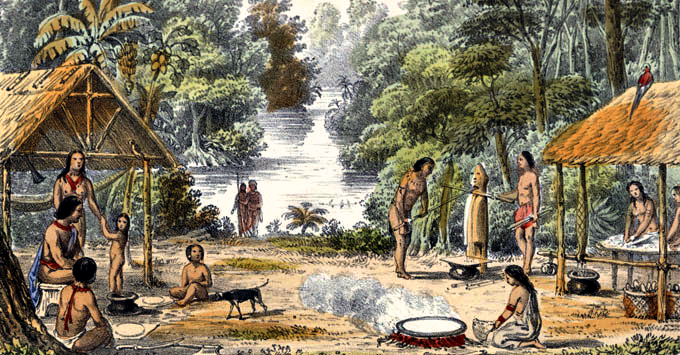
Laborie’s heritage spans centuries and has been shaped over time by Amerindians, Europeans, Africans, and East Indians. Today’s diverse community is a result of the mixing of different races and ethnic groups.
A Tapestry of Cultures
The district of Laborie has a rich and varied cultural heritage stretching well over a thousand years.
It encompasses the Amerindians (sometimes known as the Arawaks, or Caribs), the European settlers and colonists from France, Spain and Great Britain, the enslaved African peoples brought in to work the estates, the East Indian indentured workers and today’s globalized citizens of the world.
Thriving Traditions
Over decades and perhaps centuries, Laborians have establish themselves everywhere and people from everywhere have made Laborie their home. Each of these influences is now woven into Laborie’s vibrant Caribbean culture.
The traditions from this unique cultural heritage are visible everywhere. It is how people live and talk – the French-based Kwéyòl language is alive and well here, spoken everyday along with the English language. It is the architecture of the homes, the food and drinks, the festivals celebrated throughout the year, the music and the arts… and the faces of the people!
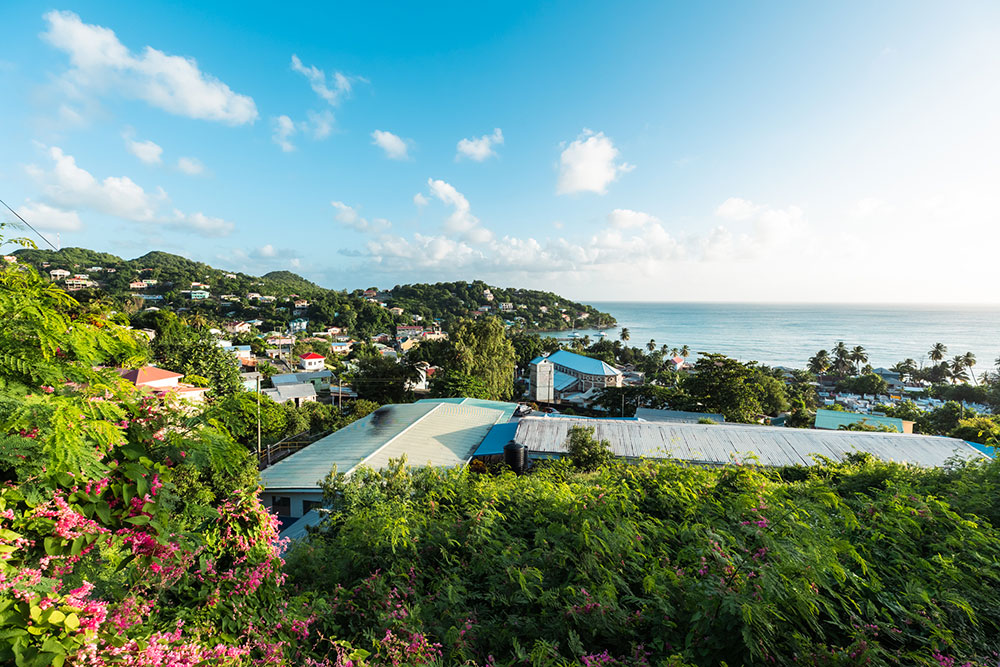
A traditional Caribbean Village
Known for its Friendliness and Rich Traditions
Origin of the name "Laborie"
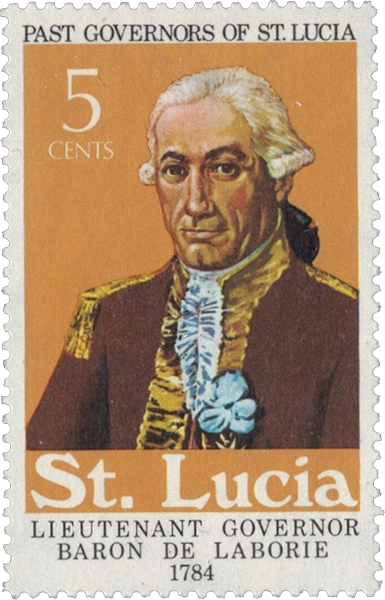
The name Laborie comes from Jean Zénon André de Véron, Baron de Laborie, Lieutenant-Governor of Saint-Lucia between 1784 and 1789.
The village was first known as “L’Islet à Caret”, or “L’Anse Kawet”, after a small island in the bay that was a nesting ground for sea turtles.
Legend says that the Baron made a large personal donation to the village, helping to restore the church, following a devastating hurricane that also wiped-out the turtle’s coral-reef island in the bay.
For a short while during the French revolution (1787-1799), when revolutionary furor reached Saint Lucia’s shores, the village was referred to as “La Patriote” by Saint Lucia’s own revolutionaries.
Laborie, as a surname, may have originated from the French “Borie”, a word from the Occitan dialect from southern France. It is meant to be a dry shed, made of stocked-up rocks, in remote parts of the land, where farm workers would keep their farming equipment, their harvest, their animals and sometimes shelter for protection against the elements.